
Introduction
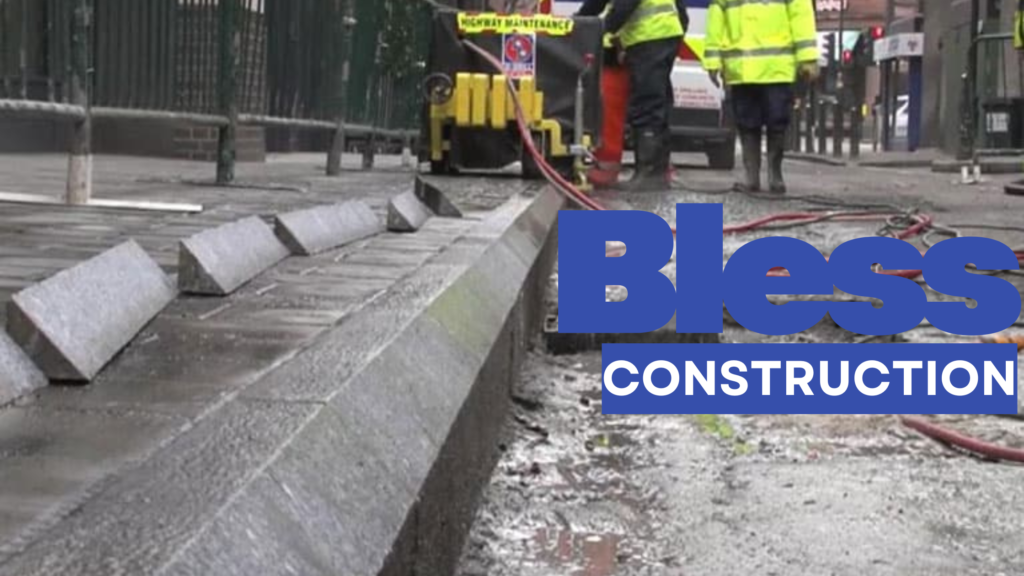
Kerb work is one of the most overlooked yet critical aspects of modern infrastructure and construction. Whether it’s a road, driveway, parking area, or landscaping project, properly installed kerbs define boundaries, manage water flow, and enhance both safety and aesthetics.
A kerb is essentially a raised edge constructed from concrete, stone, or similar materials that separates roads, pavements, and other surfaces . But Submerged/Flush Kerb goes far beyond simple edging—it is a technical process requiring expertise, planning, and precision.
At Blessconstruction, we specialize in delivering professional Kerb and Gutter solutions tailored to both residential and commercial needs, ensuring durability, functionality, and long-term value.
We Offer All Type Kerb Construction
Barrier Kerb
Mountable/Rollover Kerb
Semi-Barrier/Semi-Mountable Kerb
Half Battered Kerb
Bull Nose Kerb
Splayed Kerb
Submerged/Flush Kerb
What is Kerb Work in Construction?
Splayed Kerb refers to the design, installation, and finishing of kerbs used in infrastructure projects. These structures:
- Define road and pavement edges
- Control water drainage
- Prevent structural damage
- Improve visual appeal
Kerbs also support pavement edges and prevent surface breakdown over time .
However, what most websites fail to explain is that kerb work is not just about installing blocks—it involves engineering, material science, and long-term planning.
Why Bull Nose Kerb is Essential (Beyond Basics)
1. Structural Integrity
Kerbs provide lateral support, preventing roads and pavements from cracking or shifting.
2. Drainage Control
They channel rainwater effectively, reducing flooding risks.
3. Safety Enhancement
Kerbs separate vehicles from pedestrians, reducing accidents.
4. Aesthetic Value
Well-designed kerbs enhance the overall appearance of a property or roadway.
👉 What competitors miss:
They don’t explain how poor kerb work leads to expensive repairs within just a few years.
Types of Kerb Work Services
Residential Kerb Work
- Driveways
- Garden edging
- Walkways
Commercial Kerb Work
- Parking lots
- Roads and highways
- Industrial areas
Decorative Kerb Work
- Colored or textured kerbs
- Landscape borders
Heavy-Duty Kerb Work
- High-traffic roads
- Industrial zones
👉 At Blessconstruction, we provide customized kerb solutions depending on usage, load, and environmental conditions.
Step-by-Step Kerb Work Process (Professional Approach)
1. Site Assessment & Planning
We evaluate soil condition, drainage, and usage requirements.
2. Excavation & Base Preparation
A strong base is critical. Poor compaction is one of the biggest reasons for kerb failure.
3. Material Selection
Concrete, granite, or precast kerbs are chosen based on project needs.
4. Kerb Installation
Kerbs are laid with precision alignment and proper spacing.
5. Jointing & Finishing
Mortar or grout is used to secure joints and ensure stability .
6. Quality Inspection
Final checks ensure durability and compliance with standards.
👉 What others don’t mention:
Improper base preparation alone causes most kerb failures.
Common Mistakes in Half Battered Kerb (Avoid These!)
Most online guides ignore real-world failures. Here are the biggest mistakes:
❌ Poor Base Compaction
Leads to sinking and uneven kerbs.
❌ Incorrect Drainage Design
Can cause waterlogging and structural damage.
❌ Low-Quality Materials
Results in cracks and early deterioration.
❌ Lack of Professional Expertise
Untrained installation increases long-term costs.
❌ Ignoring Expansion Joints
Causes cracking due to temperature changes.
👉 Choosing a professional company like Blessconstruction eliminates these risks.
Cost Factors in Kerb Construction
Unlike most articles, let’s talk about what clients actually care about—cost.
Key Factors Affecting Price:
- Material type (concrete, stone, precast)
- Project size
- Labor and expertise
- Site conditions
- Design complexity
💡 Pro Tip: Cheap kerb work often results in higher maintenance costs later.
Modern Innovations in Semi-Barrier/Semi-Mountable Kerb
This is where most competitors fall short.
🔹 Sustainable Materials
Eco-friendly materials reduce carbon footprint in construction .
🔹 Precast Technology
Faster installation with consistent quality.
🔹 Smart Drainage Systems
Advanced designs improve water flow and prevent flooding.
🔹 Automated Installation
New machinery improves accuracy and reduces labor risks.
👉 Blessconstruction stays ahead by adopting modern techniques and sustainable practices.
Maintenance & Lifespan of Kerb Maintenance
A well-installed kerb can last decades—but only with proper maintenance.
Maintenance Tips:
- Regular inspections
- Crack repairs
- Cleaning drainage channels
- Replacing damaged sections
👉 Most websites ignore maintenance—but it’s crucial for long-term performance.
Why Choosing the Right Contractor Matters?
Mountable/Rollover Kerb is not a DIY-friendly job for large-scale projects.
A professional contractor ensures:
- Proper design and planning
- High-quality materials
- Skilled installation
- Long-lasting results
Why Blessconstruction is the Best for Kerb Work
- ✔ Experienced professionals
- ✔ High-quality materials
- ✔ Modern construction techniques
- ✔ Customized solutions
- ✔ Affordable pricing with long-term value
👉 Blessconstruction is your trusted partner for reliable and durable kerb work services.
Residential vs Commercial Kerb Construction
| Feature | Residential | Commercial |
|---|---|---|
| Load Capacity | Low to Medium | High |
| Design Focus | Aesthetic | Functional |
| Cost | Lower | Higher |
| Complexity | Simple | Advanced |
👉 Choosing the right approach depends on project type.
Future of Barrier Kerb
The future lies in:
- Sustainable construction
- Smart drainage integration
- Automation in installation
- Long-lasting materials
👉 Companies like Blessconstruction are already adapting to these advancements.
❓ FAQs About Kerb Construction
1. What is kerb work in construction?
Kerb work involves installing raised edges along roads or pavements to provide support, drainage, and safety.
2. How long does kerb work last?
With proper installation and maintenance, kerbs can last 20–30 years.
3. What materials are used in kerb work?
Common materials include concrete, granite, and precast stone.
4. Why is kerb work important?
It improves drainage, safety, and structural integrity.
5. How much does kerb work cost?
Costs vary depending on materials, project size, and complexity.
6. Can kerb work be repaired?
Yes, damaged kerbs can be repaired or replaced.
7. Why choose Blessconstruction?
Because of expertise, quality, and reliable service tailored to your needs.